

Spring rain is part of life in Cincinnati, but those “April showers” often reveal problems homeowners didn’t know were there. A roof leak Cincinnati Ohio homeowners notice after a heavy storm usually isn’t new—it’s been developing over time. If you’re seeing ceiling stains, damp spots, or anything that doesn’t look quite right, your roof could be trying to tell you something before the damage gets worse.
What a Roof Leak Can Look Like Before It Shows Inside
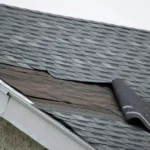
This is a real example of what we typically see on homes around Cincinnati after heavy rain and storms.
At a glance, it might not look like a major issue. But take a closer look and you’ll notice the roof surface isn’t laying the way it should. Shingles appear wavy, slightly lifted, and inconsistent—especially through the valley, which is one of the most important areas for directing water off the roof.
When shingles lose their shape like this, they’re no longer doing their job effectively.
Why This Leads to Roof Leaks
Your roof is designed to move water off your home quickly and efficiently. That only works when shingles are properly sealed and laying flat.
Once that changes, even slightly, water has an opportunity to work its way underneath.
This usually starts subtly:
- A small gap forms where a shingle has lifted
- Water begins to get underneath during heavy rain
- Moisture travels beneath the surface before showing inside
By the time you notice a stain on your ceiling, the issue has often been there longer than you think.
Where Roof Leaks Often Start: The Valley
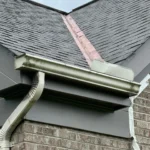
This is another real example from a home in the Cincinnati area—and it highlights one of the most common places roof leaks begin.
The valley is where two sections of roof meet, and it’s designed to channel a large amount of water off your home. During heavy rain, this area handles more water than almost any other part of the roof.
Because of that, even small issues here can turn into leaks quickly.
In this example, you can see:
- Exposed and aging valley metal
- Shingles that are beginning to wear and lose consistency
- Subtle signs that water may not be shedding as efficiently as it should
Nothing here looks catastrophic at first glance. But this is exactly how many roof leaks start—quietly, over time, until a heavy rain exposes the problem.
This is also why valleys are one of the first areas we check during a roof inspection. If something is off here, it’s only a matter of time before it shows up inside.
The Problem with Waiting
A lot of homeowners only become aware of a roof issue after a storm. But in reality, the storm didn’t cause the problem—it exposed it.
What starts as a minor issue can quietly turn into something more serious. Moisture can begin to affect the underlying structure of the roof, and over time, that can lead to interior damage.
We’ve seen situations where a small repair could have solved the issue early, but waiting led to more extensive work that could have been avoided
Repair or Replacement—How Do You Know?
Not every roof in this condition needs to be replaced. But there are some clear patterns that help guide that decision.
A roof repair may still make sense when the issue is isolated and the rest of the roof is holding up well.
Replacement becomes the more practical option when:
- The same condition shows up across multiple areas of the roof
- Shingles are consistently lifting, warping, or losing their seal
- The roof is approaching the end of its expected lifespan
- There are already signs of water making its way inside
At that point, you’re no longer dealing with a single problem spot—you’re looking at overall system wear
What Cincinnati Homeowners Should Do Next
If your roof looks similar to this—or if something just doesn’t seem right after the recent rain—it’s worth taking a closer look now rather than later.
An inspection doesn’t have to be complicated. The goal is simply to understand what’s going on and whether anything needs attention.
At TruCraft, we focus on giving homeowners clear, honest feedback so you can make the right decision for your home without pressure.
Don’t Let a Small Issue Turn Into a Bigger One
April showers don’t last forever—but the problems they reveal won’t fix themselves.
If you’ve noticed anything unusual, now is the time to address it before the next round of storms rolls through.
Schedule a roof inspection and get a clear picture of what your roof actually needs.
Frequently Asked Questions About Roof Leaks
How do I know if my roof is leaking?
Common signs include ceiling stains, damp spots, musty odors, or visible shingle damage. In many cases, leaks start before they are visible inside.
Can heavy rain cause a roof to leak?
Heavy rain usually doesn’t cause the problem—it exposes existing weaknesses like worn shingles or compromised flashing.
Should I repair or replace my roof?
It depends on the extent of the damage. Isolated issues can often be repaired, while widespread wear or aging typically points toward replacement.
How quickly should I address a roof leak?
As soon as possible. Even small leaks can lead to structural damage, mold, and higher repair costs if left untreated.